
Natural history
Shells from all over the world
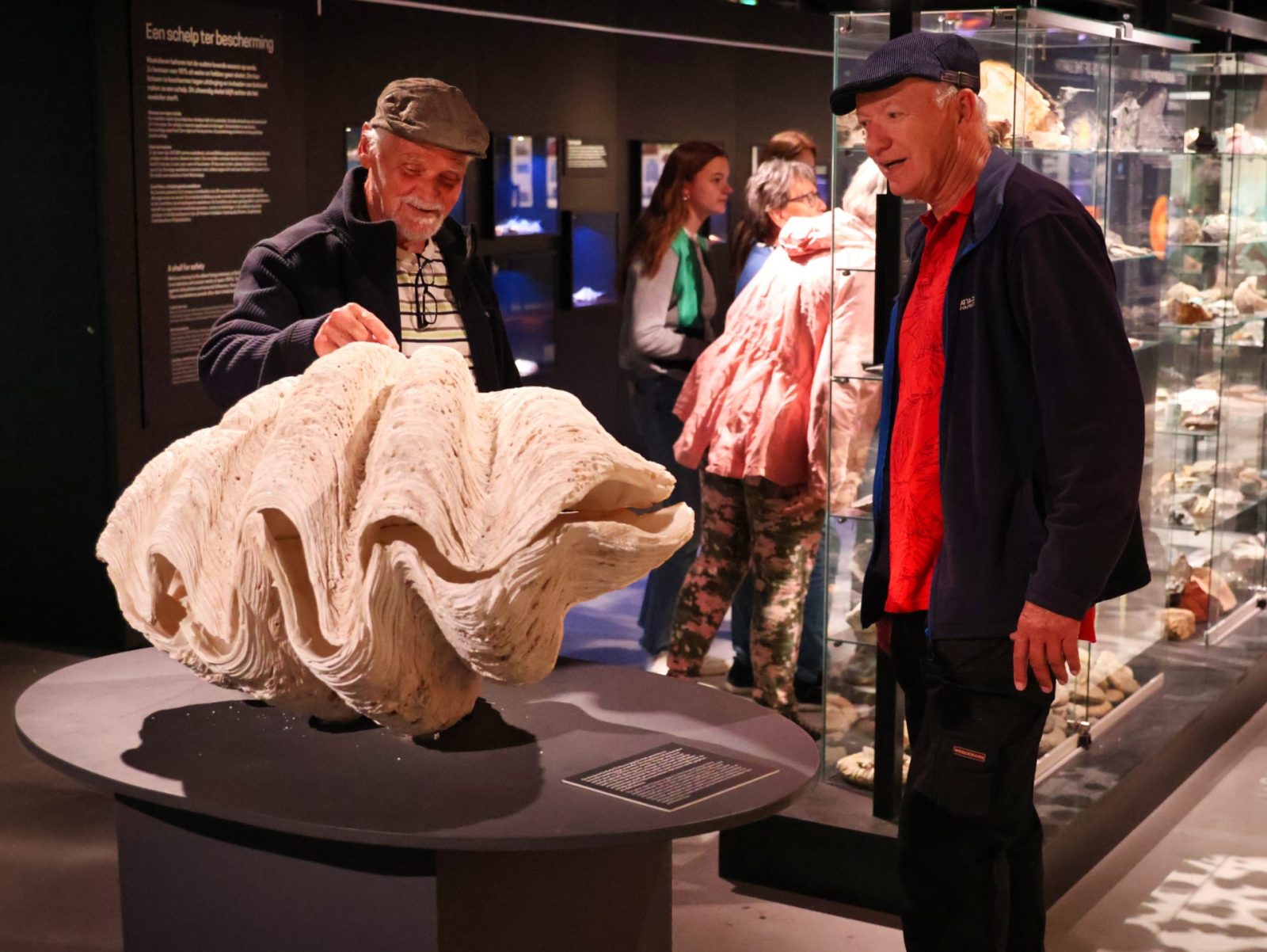
The natural history display shows how the earth was formed: rocks, minerals, layers of soil and fossils. The shell collection is special: from shells you find on Dutch beaches to shells from all over the world. The biggest and heaviest is the giant clam: one metre across and 200 kilos!
In the geology room you look straight into churning magma and see minerals, rocks (some of them fluorescent) and a meteorite.
Archaeology
The northernmost hunebed of the Netherlands
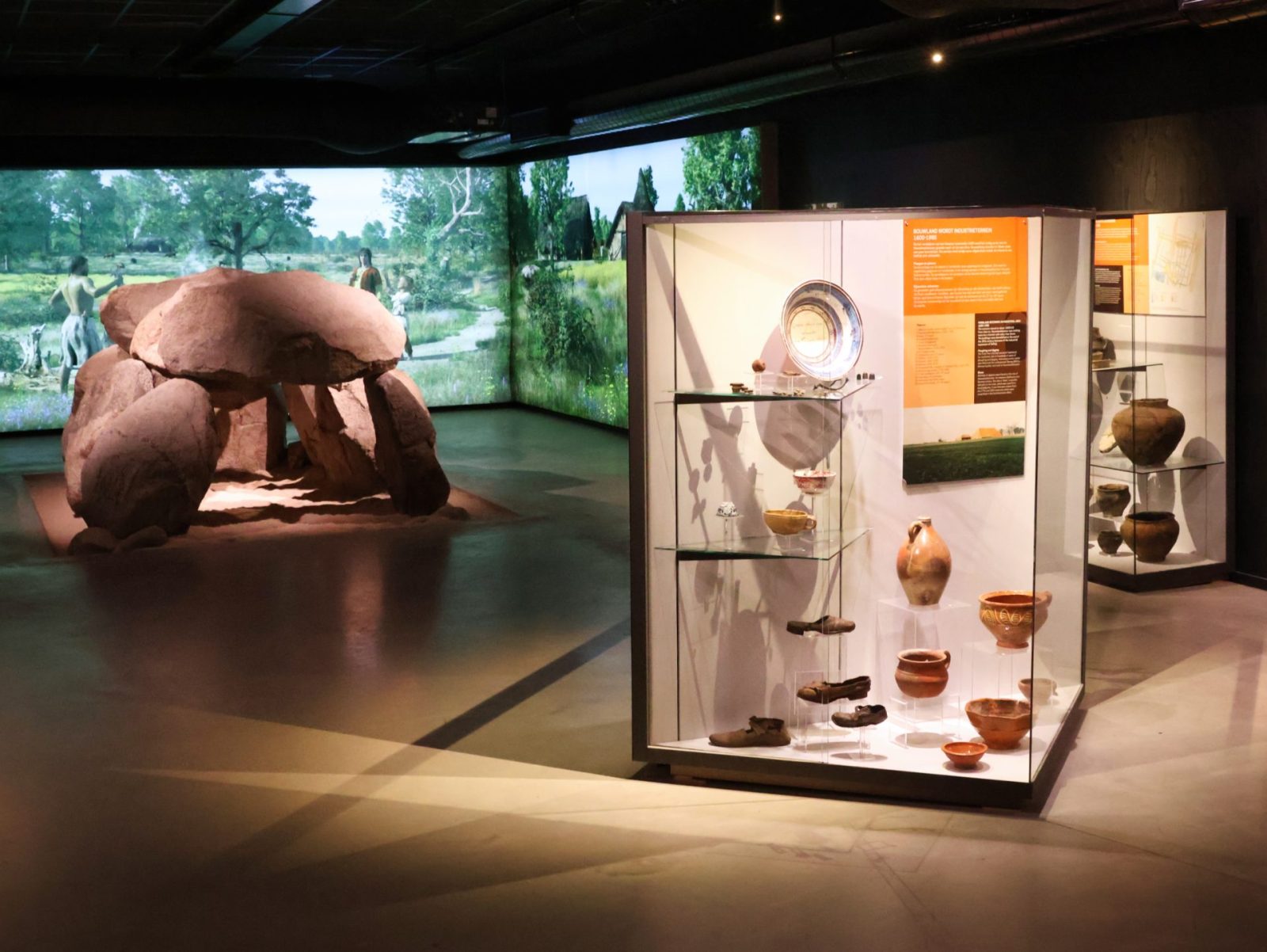
The hunebed (a prehistoric dolmen) was found near Delfzijl. Around it, display cases tell about life in that time, and a large screen shows what the landscape may have looked like. There are finds from Roman times and the late Middle Ages, such as shoes that are still recognisable after centuries in the ground.
Cultural history
Shipping and the history of Delfzijl
The history of Delfzijl is closely linked to shipping. The Wagenborg room has 24 ship models with touchscreens, and tells about navigation, pilots, the nautical college, shipbuilding and sail making. A scale model shows the old fortified town, and the story continues through the French period, the Second World War, the reconstruction and the arrival of big industry.
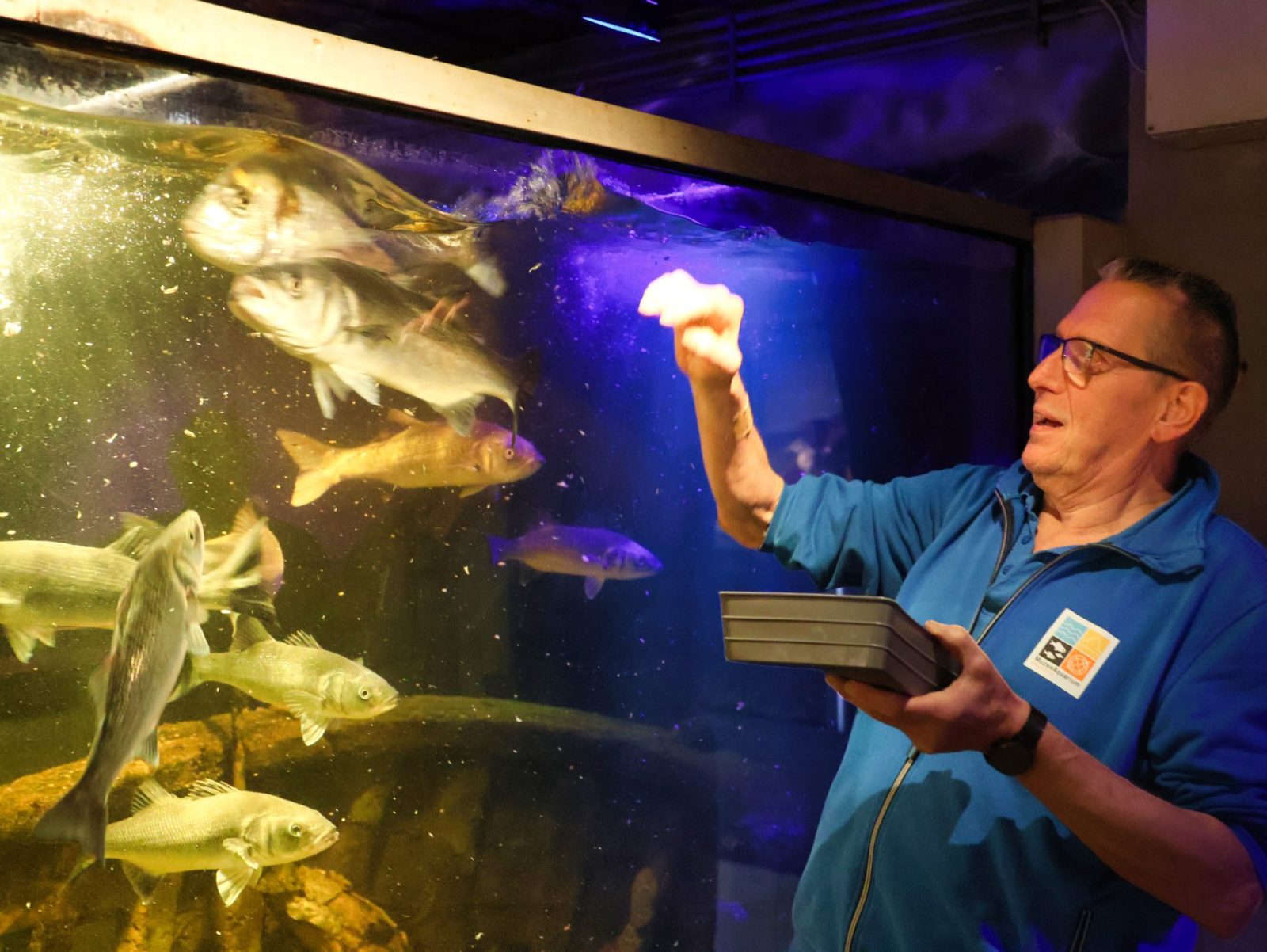
Sea aquarium
Fish in a wartime bunker
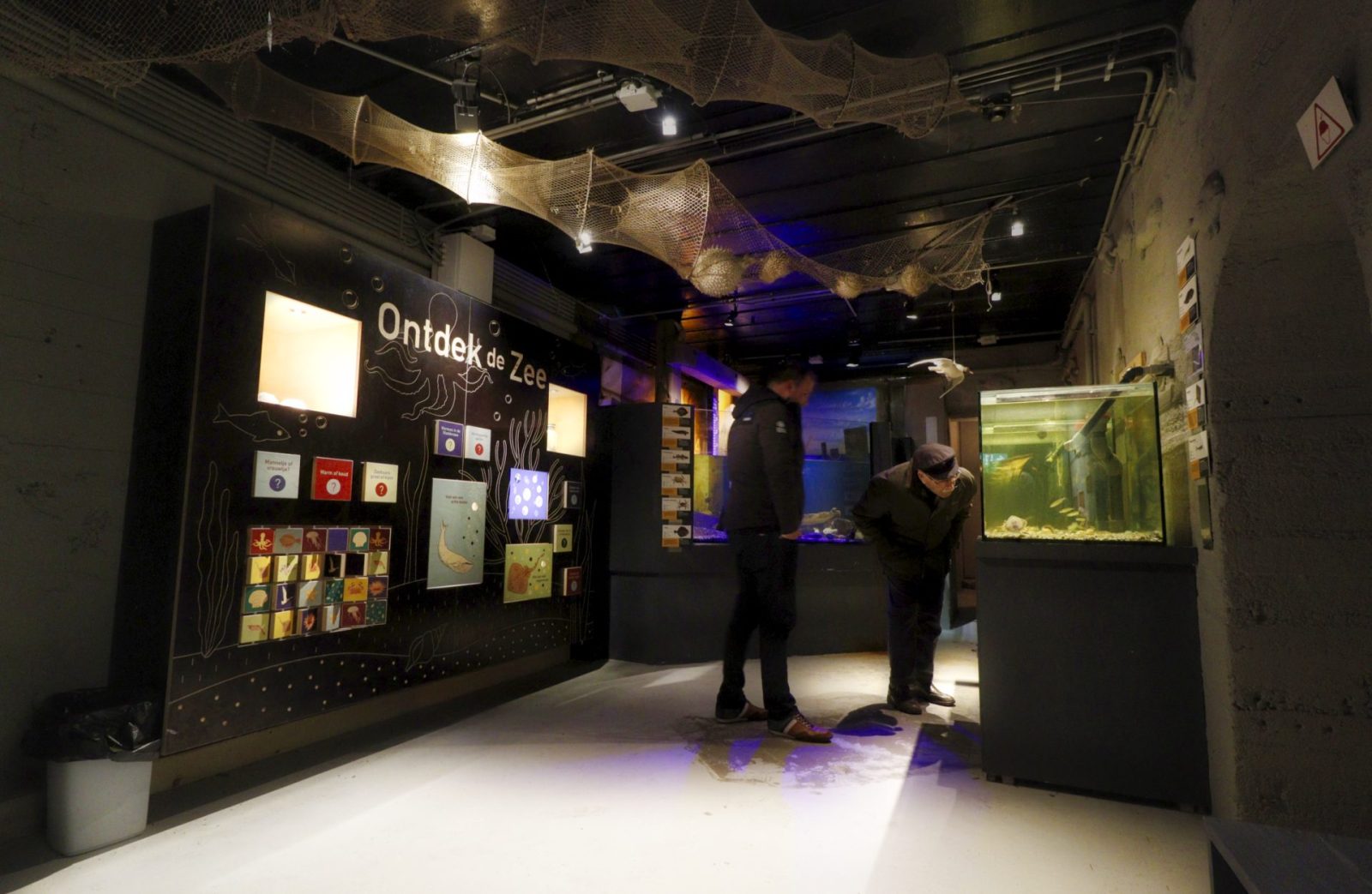
The sea aquarium is housed in an original ammunition bunker from the Second World War. Fish and other animals from the Wadden Sea and the North Sea live here. They are fed on Tuesday and Friday mornings at 10 am.
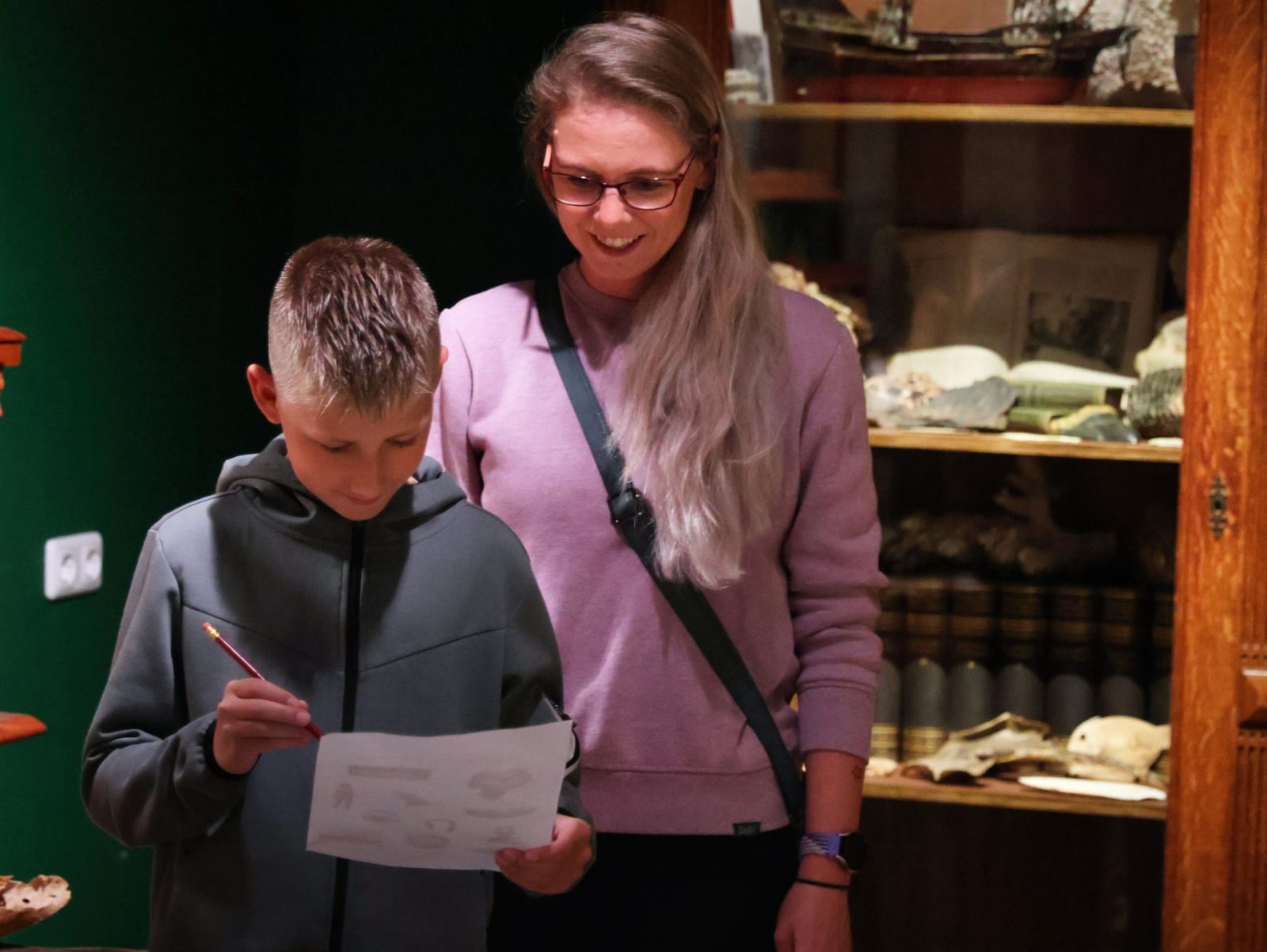
Cabinet of curiosities
Where the museum began
The MuzeeAquarium grew out of the Museum of Overseas Trade Relations, which stood in Delfzijl in the 1930s. The cabinet of curiosities still shows pieces of that collection, from maritime souvenirs to natural oddities.